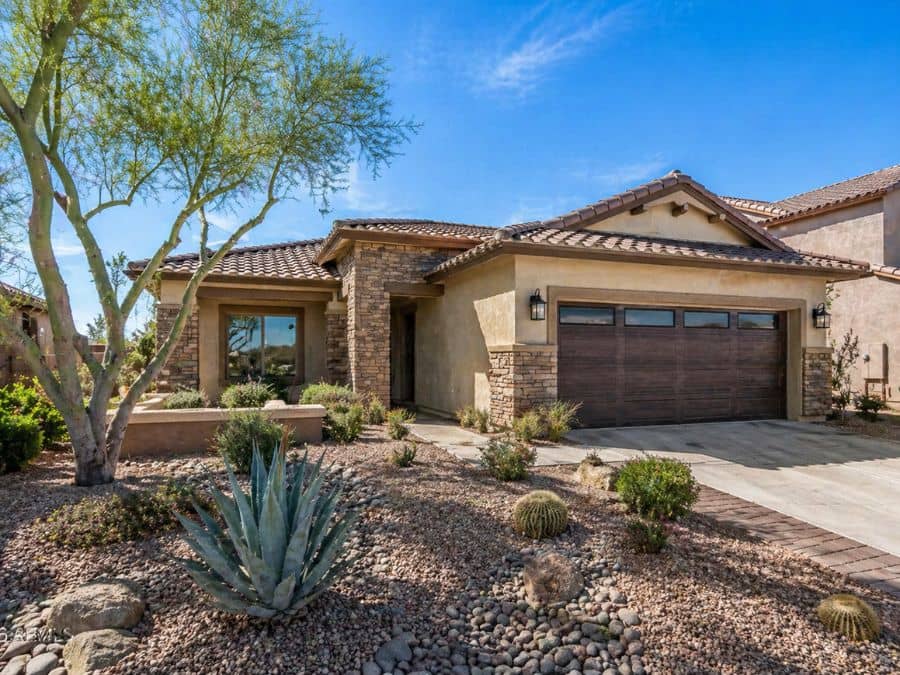
What Is the Best Garage Door Material for Desert Climates in Arizona?
Quick Answer:
The best garage door material for Surprise, AZ, is polyurethane-insulated steel. In a desert climate where west-facing garage doors in areas like Marley Park, Surprise Farms, and Greer Ranch can take intense afternoon sun, insulated steel offers the best balance of durability, rigidity, heat control, and low maintenance. Faux wood steel is often the best choice for homeowners who want the look of real wood without the cracking, fading, and upkeep that Arizona heat can cause.
Why Garage Door Material Matters in Surprise’s Desert Climate
Choosing a garage door material in Arizona is different from choosing one in a mild climate. The door has to deal with extreme summer heat, direct sun, blowing dust, dry air, sudden monsoon winds, and frequent use. A garage door in Surprise is not just a decorative panel on the front of the house. For many homeowners, it is the main entrance, the largest moving part of the home, and a major part of curb appeal.
That matters in neighborhoods like Marley Park, Surprise Farms, Rancho Gabriela, Sierra Montana, Greer Ranch, Asante, Rancho Mercado, Desert Oasis, and Sun City Grand, where garage styles, home age, HOA expectations, and daily use can vary quite a bit. A material that looks good on day one still has to perform after years of 110 plus degree afternoons, dusty monsoon evenings, and repeated opening and closing.
Why Desert Climates Are Hard on Garage Doors
Arizona heat is not just uncomfortable. It changes how garage door materials behave. Metal expands, paint fades, wood dries out, seals shrink, and moving parts lose lubrication faster than they would in a cooler climate.
In Surprise, the sun can be especially punishing on west facing garage doors. Afternoon exposure heats the door for hours, and that heat transfers into the garage. If the garage is attached to the house, near a laundry room, workshop, bedroom wall, or interior hallway, that radiant heat can affect comfort inside the home too.
Dust is another factor. Surprise often gets fine, gritty silt that blows in from open desert areas and the direction of the White Tank Mountains. That dust can settle into the tracks, rollers, hinges, and weather seals. A garage door material may look strong on paper, but if the full system gets rough, noisy, or poorly sealed, the homeowner still feels the problem.
Monsoon wind also matters. Wide garage doors act like large panels when wind pressure hits them. During storm season, strong gusts can push against the door, especially in open areas north and west of the city center. The best material choice should account for both heat and structural stability.
The Best Overall Choice: Polyurethane Insulated Steel
For most Arizona desert homes, polyurethane insulated steel is the strongest all around garage door material. It handles heat well, resists warping better than wood, supports daily use, and can be styled to fit everything from a simple ranch home near the Original Town Site to a newer home in Asante with a larger garage opening.
Steel gives the door durability, but insulation is what makes it more practical in the desert. A basic non insulated steel door may still function, but it can radiate heat into the garage quickly. An insulated steel door creates a more stable barrier between the outside heat and the garage interior.
Polyurethane insulation is especially useful because it is injected into the door cavity and bonds to the steel skins. That gives the door more rigidity, better thermal performance, and a more solid feel during operation. In a climate where heat, wind, vibration, and daily use all matter, that added structure can make a real difference.
This matters in Surprise because so many garages are used for more than parking. Homeowners store tools, freezers, golf carts, exercise equipment, holiday decorations, water softeners, bikes, and household supplies in the garage. In Sun City Grand, the garage may also be used daily for golf cart access. In family neighborhoods like Surprise Farms or Marley Park, the garage often functions as the main entry zone for the entire household.
Polyurethane vs Polystyrene Insulation
Not all insulated garage doors are built the same. The two common insulation types are polystyrene and polyurethane.
Polystyrene is usually the budget insulation option. It is similar to rigid foam board and is placed inside the garage door sections. It can help reduce heat transfer and improve door performance compared with a non insulated door, but it does not bond to the steel in the same way polyurethane does.
Polyurethane is the stronger choice for many Arizona homes. It is injected as foam and expands inside the door, bonding to the steel layers. This creates a denser, more rigid door with a higher insulation value and a quieter feel when the door moves.
In Surprise, that rigidity matters. A west facing garage near the Loop 303 or in open north Surprise can experience intense sun exposure, thermal movement, and wind pressure. A polyurethane insulated steel door is better equipped to resist flexing, vibration, and that hollow rattle homeowners often notice with lighter doors.
Why Non Insulated Steel Is Usually the Budget Option
Non insulated steel garage doors are common because they are affordable, lightweight, and widely available. For detached garages, storage only spaces, or homes where budget is the main concern, they can be a practical choice.
The downside is heat transfer. A non insulated steel door can get extremely hot in direct sun, especially on west facing garages. That heat can turn the garage into an oven and make anything stored inside age faster. Paint cans, tools, plastics, holiday bins, and even refrigerator or freezer units can be affected by the extra heat load.
Non insulated steel can also sound louder during operation. Without insulation, the door has less internal structure to dampen vibration. If the rollers, hinges, or opener are already aging, the door may sound thinner and more rattly.
For many Surprise homes, non insulated steel works best when the garage is not heavily used, not attached to conditioned living space, and not exposed to the strongest afternoon sun. Otherwise, the savings up front may come with comfort and durability tradeoffs.
Why Wood Is Beautiful But Demanding in the Desert
Wood garage doors can look excellent, especially on homes where the owner wants a custom or high end appearance. The natural depth of real wood is hard to duplicate perfectly. On the right home, a wood door can add warmth and character.
But Arizona is not gentle on wood. Dry air, direct sun, and heat cycles can cause wood to crack, fade, dry out, and move over time. A wood garage door needs consistent maintenance, including refinishing, sealing, and careful inspection. Without that upkeep, the door can become heavy, uneven, or weathered faster than expected.
In Surprise, a real wood door on a west facing garage is usually a commitment. The homeowner needs to be realistic about maintenance. It may be worth it for a custom look, but it is not the easiest material for the average homeowner who wants low maintenance performance.
There is also weight to consider. Wood doors are often heavier than steel doors, which means the spring system, opener, hinges, rollers, and track hardware must be properly matched. If the hardware is undersized or aging, the door may strain the entire system.
Faux Wood Steel: A Strong Middle Ground
For many Arizona homeowners, faux wood steel is one of the best compromises. It gives the look of wood without the same level of maintenance. Instead of relying on real wood, the door uses steel construction with a wood grain finish or overlay style.
This can be a smart choice in communities where curb appeal matters, including Sun City Grand, Marley Park, Greer Ranch, and other neighborhoods where homeowners want a more upgraded appearance. It can also help with HOA expectations when the home needs a warm, traditional, or carriage style look.
Faux wood steel still needs normal care, but it generally handles desert conditions better than real wood. It does not dry out the same way. It does not need the same refinishing schedule. It can also be insulated, which gives the homeowner both style and better heat performance.
The key is quality. A cheap faux wood finish may fade or look flat over time. A better grade door will usually have stronger finish durability, better panel construction, and more convincing texture.
The White Tank Wind Defense
If you live in Asante, Rancho Mercado, Desert Oasis, or along the 163rd Avenue growth corridor, your garage door faces more than heat. These newer areas sit closer to open desert and the White Tank Mountain side of the West Valley, where monsoon winds can move hard and fast across exposed neighborhoods.
A wide garage door acts like a sail when wind pressure hits it. During a strong microburst, a thin or poorly reinforced door can flex, crease, pop rollers out of the tracks, or buckle inward. This is why material strength and internal reinforcement matter so much on larger doors.
For these homes, triple layer steel construction is often the better choice. A triple layer door usually includes steel on the exterior, insulation in the core, and steel on the interior. That structure gives the door a stronger spine and helps it resist permanent panel creasing during heavy wind events.
Wind load rating may also be worth discussing, especially for oversized garage doors, RV garage doors, and homes with wide open exposure. A higher wind load rating means the door system is designed to handle more wind pressure when installed with the correct tracks, struts, hinges, and hardware.
Why U Bar Reinforcement Matters
Most Surprise HOAs focus on what the garage door looks like from the street. They care about color, windows, panel style, and whether the door fits the neighborhood design. What they do not usually see is the internal structure that helps the door survive heat and wind.
Heavy duty reinforcement struts, often called U bars, help strengthen the sections from the inside. These struts are especially important on wide double doors, tall RV garage doors, and doors exposed to heavy afternoon sun.
In the extreme heat of the West Valley, garage door panels can expand and contract throughout the day. That movement can create a popping or flexing effect sometimes called oil canning. U bar reinforcement helps reduce that flex and gives the door more stability as the metal reacts to temperature changes.
A strong door is not just about the material. It is about how the door is built, reinforced, installed, and balanced.
Aluminum and Glass Doors in Arizona Heat
Aluminum and glass garage doors have become popular on modern homes because they create a clean, contemporary look. They can work well on certain properties, especially where the architecture is more modern and the garage faces a shaded area.
The challenge is heat and privacy. Glass can bring light into the garage, but it can also bring heat. In direct sun, especially on a west facing door, glass panels can increase the garage temperature and create glare. Tinted, frosted, or insulated glass can help, but those upgrades affect cost.
Aluminum is lighter than steel and resists rust, which is useful in many climates. In the desert, however, homeowners still need to think about dent resistance, thermal transfer, frame quality, and wind performance.
For Surprise homeowners, aluminum and glass doors can be a good fit when the design calls for it and the exposure makes sense. They are usually not the default best choice for a hard working family garage that gets direct afternoon sun, heavy use, and frequent dust exposure.
Fiberglass and Composite Garage Doors
Fiberglass and composite doors can offer good resistance to moisture and can mimic certain wood looks. In some climates, they are popular because they do not rot like wood and can be lighter than some alternatives.
In Arizona, the main concern is long term sun exposure. Lower quality fiberglass may become brittle, faded, or chalky over time when exposed to intense UV. Better composite systems can perform well, but homeowners need to evaluate the product quality carefully.
Composite materials can be useful when the homeowner wants a specialty look with less maintenance than wood. Still, for most Surprise homes, insulated steel remains the safer and more proven choice unless there is a specific design reason to choose composite.
How Garage Door Material Affects Heat Inside the Garage
The material of the garage door affects how much heat moves into the garage. So do insulation type, color, sun exposure, weather sealing, and ventilation.
A dark non insulated door facing west will usually absorb more heat than a lighter insulated door. A garage in Surprise that faces afternoon sun can feel dramatically hotter than one facing north or east. This is why two homes with the same door material can feel different depending on orientation.
Insulation helps slow heat transfer. It does not turn the garage into an air conditioned room, but it can reduce the extreme temperature swings that make the space uncomfortable. If the garage is attached to the house, insulation can also help reduce the heat load near interior walls.
For homeowners who use the garage as a workshop, storage area, gym, or everyday entry space, polyurethane insulated steel is usually worth serious consideration.
Why Door Color Matters in Surprise
Material is important, but color can make a real difference in Arizona. Darker garage doors absorb more heat. Lighter colors reflect more sun and often perform better on homes with heavy exposure.
That does not mean every garage door has to be white. Many Surprise homes use earth tones, beige, tan, taupe, bronze, brown, or wood look finishes to match stucco and tile roofs. The goal is to choose a color that works with the home without creating unnecessary heat gain.
HOA guidelines may also affect the decision. In master planned communities like Marley Park, Sun City Grand, Asante, and Rancho Mercado, homeowners may need to stay within approved exterior palettes. A good garage door choice should satisfy the HOA, improve curb appeal, and still make sense for the desert climate.
Older Surprise Homes vs Newer Surprise Homes
Garage door material decisions often depend on the age of the home. In the Original Town Site and older parts of Surprise, homes may have smaller garage openings, simpler steel doors, or older hardware. In those cases, replacing the door with a properly sized insulated steel model can improve both appearance and function without making the home look out of place.
Homes from the post 2000 boom era often have larger garage layouts, including 3 car garages, tandem setups, and split 2 plus 1 configurations. In these homes, weight, spring sizing, opener strength, panel rigidity, and reinforcement become more important. A better built insulated steel door can help the system operate more smoothly, especially when matched with the correct hardware.
In newer north Surprise areas like Asante, Desert Oasis, and Rancho Mercado, RV garages and multigenerational home designs are more common. These larger openings need careful material selection because oversized doors face more wind pressure and need stronger support.
Best Material for Sun City Grand and Golf Cart Garages
Sun City Grand has its own garage door needs. Many homes have 2 plus 1 garage configurations, with a main garage door and a smaller third door often used for golf cart access. That smaller door may seem less important, but it still affects the comfort and performance of the garage.
If the main door is insulated but the smaller 8 by 7 golf cart door is not, that smaller door can act like a thermal leak. Heat still enters the garage through the uninsulated opening, especially during afternoon sun exposure. For homeowners who store golf carts, tools, freezers, or household supplies in the garage, matching insulation quality across all garage doors is the smarter approach.
Insulated steel or faux wood steel often makes the most sense in Sun City Grand. These materials can support carriage house styling, decorative windows, and clean finishes while still handling heat and daily use. They also work well for homeowners who want the home to look updated without taking on the maintenance demands of real wood.
For golf cart access doors, proper balance and hardware matter just as much as appearance. Smaller doors still need correctly matched springs, rollers, hinges, and openers if they are used every day.
Best Material for RV Garages and Oversized Doors
RV garages are becoming more common in newer parts of north Surprise. These doors are taller, wider, and more exposed to wind pressure than a standard garage door. Material choice matters because a large door needs strength, stability, and proper reinforcement.
Polyurethane insulated steel is usually the most practical option for oversized garage doors. It provides rigidity, design flexibility, and better heat control than a basic hollow steel door. The added structure can also help the door operate more smoothly when the spring system and opener are properly matched.
For RV garage doors, homeowners should think beyond the panel material. Track size, opener type, spring design, wind reinforcement, U bar placement, and installation quality all play a major role. A good material installed with the wrong hardware will not perform the way it should.
What About Monsoon Winds?
Surprise sits in a part of the West Valley where strong winds can push off the White Tank Mountain side during storm season. That wind can put real pressure on a large garage door.
A stronger door material, proper reinforcement, and correct installation all matter. Thin, poorly braced doors may flex, rattle, or struggle during high winds. Wider doors are especially vulnerable because they present more surface area to the wind.
Insulated steel doors often perform better because they tend to have more structural rigidity than basic single layer doors. For homes in open areas, newer frontier developments, or neighborhoods with larger garage openings, wind load rating and reinforcement should be part of the material conversation.
The Best Material Depends on How You Use the Garage
There is no single answer that fits every home, but there is a best answer for most Surprise homeowners. If the garage is attached to the house, used daily, exposed to afternoon sun, or part of the home’s curb appeal, polyurethane insulated steel is usually the best choice.
If the garage is detached, lightly used, or mainly for storage, non insulated steel may be acceptable. If the homeowner wants a custom luxury look and is comfortable with maintenance, wood may still be worth considering. If the home has a modern design and shaded exposure, aluminum and glass may work.
The right question is not just what material looks good. The better question is what material will still look good, operate smoothly, handle the heat, resist wind pressure, and fit the homeowner’s maintenance expectations years from now.
What Gecko Garage Doors Looks for During a Material Recommendation
A proper garage door material recommendation should account for the home, not just the catalog. The garage opening size, sun exposure, neighborhood style, HOA requirements, opener condition, spring setup, reinforcement needs, and daily use all matter.
In Surprise, that means looking at whether the home is near older central areas, family neighborhoods west of the Loop 303, active adult communities like Sun City Grand, or newer growth corridors along 163rd Avenue. A small shaded garage in an older area does not have the same needs as a west facing RV garage in north Surprise.
A good recommendation should also explain tradeoffs clearly. The homeowner should understand why one door costs more, what the insulation actually does, how the finish will age, whether U bars are needed, and what maintenance to expect.
A Practical Recommendation for Arizona Homes
For most desert climate homes in Arizona, choose a polyurethane insulated steel garage door in a lighter or medium tone with a durable finish, proper weather sealing, internal reinforcement where needed, and hardware matched to the door weight. That combination gives the best balance of heat resistance, daily durability, curb appeal, structural strength, and maintenance control.
For homeowners who want the look of wood, faux wood steel is often the better Arizona choice than real wood. For oversized doors, RV garages, and wide double doors, prioritize rigidity, wind load, U bar reinforcement, and professional installation just as much as appearance.
The best garage door material is the one that fits the way the home actually works. In Surprise, that means accounting for summer heat, west sun, dust, monsoon wind, HOA style rules, heavy daily use, golf cart doors, oversized openings, and the garage’s role as the everyday entrance. If you are starting to explore your options, a professional inspection can help you compare materials honestly and choose a door that makes sense for your home, your neighborhood, and the desert climate.
FAQs About Garage Door Materials in Arizona Desert Climates
Is steel or wood better for Arizona garage doors?
Steel is better for most Arizona garage doors because it requires less maintenance and handles heat better over time. Wood can look beautiful, but it needs regular sealing, refinishing, and care to prevent drying, cracking, and weathering in the desert sun.
Are insulated garage doors worth it in Surprise, AZ?
Yes, insulated garage doors are often worth it in Surprise, especially for attached garages, west facing doors, and garages used as workshops, storage areas, or main entrances. Insulation helps slow heat transfer and can make the garage feel more stable during extreme summer temperatures.
Is polyurethane garage door insulation better than polystyrene?
Polyurethane insulation is usually better when the homeowner wants stronger heat control, quieter operation, and more panel rigidity. Polystyrene can still be useful as a budget option, but polyurethane bonds to the steel and creates a stronger, denser door.
What garage door material lasts the longest in Arizona?
Polyurethane insulated steel is usually one of the longest lasting and most practical materials for Arizona homes. It resists warping, handles daily use well, and can be paired with durable finishes that hold up better under sun exposure than many lower grade materials.
Do dark garage doors get hotter in Arizona?
Yes, dark garage doors usually absorb more heat than lighter doors. A dark door facing west in Surprise can become extremely hot during summer afternoons, which may increase heat inside the garage and put more stress on paint, seals, and nearby components.
Is a faux wood garage door good for Arizona?
A faux wood steel garage door can be a very good choice for Arizona. It gives homeowners the warm look of wood while offering better durability and less maintenance than real wood in dry, sunny desert conditions.
What is the best garage door for an RV garage in Surprise?
A polyurethane insulated steel door is usually the best choice for an RV garage in Surprise because it offers strength, rigidity, and better heat control for a larger opening. RV garage doors also need properly matched springs, tracks, reinforcement, U bars, and opener equipment because size and wind exposure matter.
Do garage doors in Surprise need wind reinforcement?
Many larger garage doors in Surprise benefit from added reinforcement, especially in open areas near Asante, Desert Oasis, Rancho Mercado, and the 163rd Avenue corridor. Wind load rating, U bars, triple layer steel construction, and proper installation can help reduce flexing and panel damage during monsoon storms.