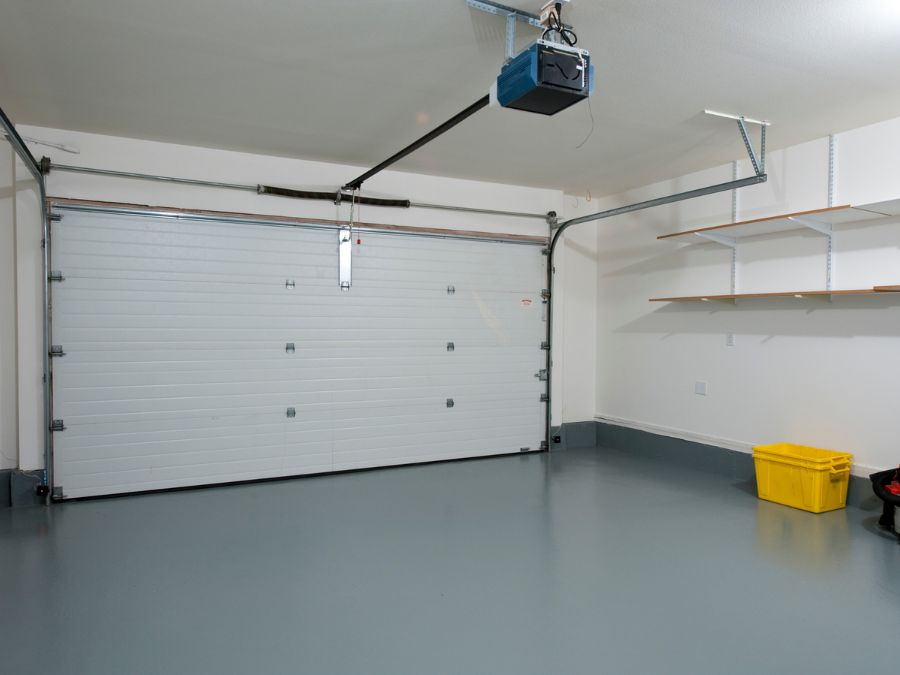
How Do I Get My Car Out Of The Garage If The Opener Dies During A Power Outage?
If your garage door opener stops working during a power outage, you can still open the door manually using the emergency release cord. This disconnects the opener so you can lift the door by hand. Most garage doors are designed to be manageable manually if they are properly balanced.
Why This Happens More Often During Storms
In Arizona, especially during monsoon season, power outages can happen quickly and without much warning. When the electricity goes out, your garage door opener loses power immediately. That means your remote and wall button won’t do anything.
For many homeowners, the garage is the main way in and out of the house. When the opener stops working, it can feel like you’re stuck. That’s usually when people realize they’ve never had to open the door manually before.
The good news is the system is designed for this situation. You’re not locked in—you just need to switch it over to manual mode.
What the Emergency Release Actually Does
Every garage door opener has an emergency release cord, usually a red handle hanging from the rail. Pulling that cord disconnects the opener from the door. Once it’s disengaged, the door is no longer controlled by the motor.
This allows you to move the door by hand. The opener stays in place, but it’s no longer applying force to the system. That’s what makes manual operation possible during an outage.
It’s a simple mechanism, but it’s one of the most important features on your garage door. Knowing where it is before you need it makes a big difference.
How to Open the Door Safely by Hand
Start by making sure the door is fully closed before pulling the release. This reduces the chance of the door moving unexpectedly. Once you pull the cord, the door should be free to move.
Lift the door slowly using both hands, keeping it balanced as it rises. A properly functioning door should feel relatively light because the springs are doing most of the work. If it feels extremely heavy, that’s a sign something may be wrong.
Once the door is open, make sure it stays in place before moving your car. Some doors will hold position, while others may need to be secured to prevent movement.
What If the Door Feels Too Heavy?
If the door is difficult to lift, don’t force it. Garage doors rely on spring systems to counterbalance their weight. If a spring is worn or broken, the door can become very heavy and unsafe to operate manually.
This is especially important in older systems or doors that haven’t been serviced regularly. Forcing a heavy door can lead to injury or further damage. It’s better to stop and reassess rather than push through it.
In situations like that, you may need assistance to lift the door safely. Once power is restored, it’s a good idea to have the system inspected.
Getting Back to Normal After Power Returns
When power comes back, the opener won’t automatically reconnect. You’ll need to re-engage the system manually. This usually involves pulling the release cord again and running the opener so it reconnects to the door.
Some systems reconnect automatically when you activate the opener. Others require a bit of manual alignment first. It depends on the model, but the process is usually quick.
If the door doesn’t reconnect properly, don’t force it. A simple adjustment is usually all it takes to get things back in sync.
Why This Situation Is Easier to Prevent
This is one of those situations that’s manageable but inconvenient. The best way to avoid it entirely is by planning ahead. Battery backup systems allow your opener to keep working even when the power goes out.
In Phoenix and Glendale, that’s becoming more common because outages during storms aren’t rare. A backup system keeps everything operating normally without needing to switch to manual mode.
It’s not required, but it’s one of those upgrades that pays off the first time you need it. Especially when you’re trying to leave in the middle of a storm or extreme heat.
What to Know Before You Actually Need It
Most homeowners don’t think about manual operation until they’re in the middle of an outage. That’s when things feel unfamiliar and a bit stressful. Taking a minute to locate the release cord ahead of time makes a big difference.
It’s also worth testing the door manually once when everything is working normally. That gives you a feel for how it should move and what to expect. If something feels off, you’ll catch it early.
A garage door is designed to work without power when needed. Knowing how to use that feature just puts you back in control.
When It’s Not Just a Power Issue
If the door won’t open even after pulling the release, something else may be going on. Track issues, damaged rollers, or spring problems can prevent movement. In those cases, the opener isn’t the real issue.
Trying to force the door open can make things worse. It’s better to leave it in place and have it checked once conditions allow. Most of the time, the problem can be identified quickly.
Power outages tend to reveal underlying issues. If something isn’t working smoothly, it’s usually worth addressing once everything is back to normal.
What to Keep in Mind When This Happens
When the opener stops working, the situation feels bigger than it is. In reality, the system is designed with this exact scenario in mind. Manual operation is built in as a backup, not a workaround.
The key is staying calm and using the release properly. Once the door is disengaged, it should move the way it was designed to. That’s what allows you to get your car out safely.
If anything feels off or harder than expected, treat that as a signal. It’s usually pointing to something worth checking once power is restored.