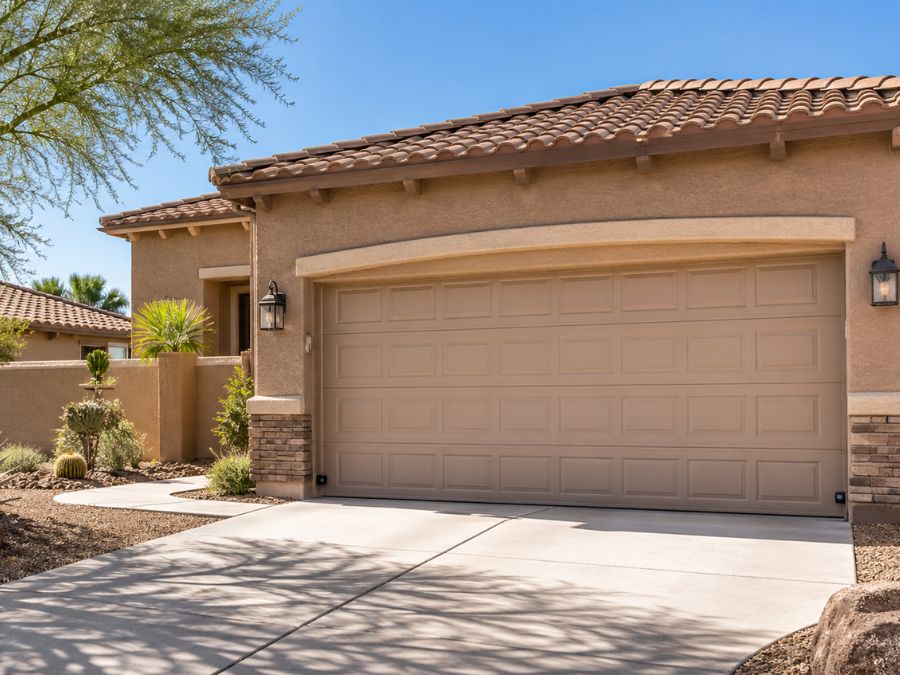
What Garage Door Maintenance Should I Do Before Summer in Gilbert AZ?
Quick Answer:
Before summer in Gilbert, garage door maintenance should focus on heat, dust, balance, seals, sensors, rollers, springs, and opener performance. The best time to do it is before the first long stretch of 105 to 110 degree afternoons, because small spring, roller, sensor, and seal problems become much harder on the system once the garage is heat-soaked every day. Homeowners can safely clean tracks, wipe sensor lenses, inspect seals, and listen for noise, but balance, spring tension, cable condition, opener force, and track alignment should be checked professionally.
Why Pre-Summer Garage Door Maintenance Matters in Gilbert
Gilbert summer is hard on garage doors because heat does not affect just one part of the system. It dries out lubricant, bakes rubber seals, stresses opener electronics, expands metal components, and makes small alignment problems more noticeable. By the time temperatures are consistently high, a garage door that was already a little noisy or slightly out of balance may start acting much worse.
This is especially true in busy Gilbert households where the garage is used as the main entrance. In neighborhoods like Power Ranch, Morrison Ranch, Agritopia, Spectrum, Cooley Station, and Seville, the garage often holds bikes, sports gear, tools, outdoor equipment, golf carts, and family storage. The door may cycle several times a day, which means every weak part gets tested over and over.
Pre-summer maintenance is about getting ahead of that stress before the heat exposes it. The goal is not cosmetic perfection. The goal is to reduce friction, protect the opener, catch weak springs, improve sealing, and make sure the door is ready for the heat, dust, and daily use that come with a Gilbert summer.
Why Timing Matters Before the First Real Heat Stretch
The best time to service a garage door in Gilbert is usually spring, before the garage becomes heat soaked every afternoon. By late May and June, the door skin, concrete threshold, opener housing, track hardware, and ceiling area can stay hot for hours. Once that heat settles in, weak parts start showing themselves quickly.
A roller that sounded a little dry in March can become a grinding roller in June. A seal that looked slightly flattened in April can become a scorpion and dust gap by July. A safety sensor that was barely aligned in spring may start failing every afternoon once the sun angle gets harsher and the driveway glare intensifies.
That is why early maintenance matters. It gives you a chance to correct small problems while the door is still operating, rather than waiting until the opener overheats, the door refuses to close, or the spring finally gives out during the hottest part of the day.
The Gilbert Summer Failure Pattern
Most summer garage door failures in Gilbert do not come out of nowhere. They usually follow a pattern. A door starts the season with a little friction, a slightly weak spring, a dirty sensor, or a worn seal. Then heat, dust, and daily use push that small issue into a real breakdown.
The first pattern is noise. A door that is a little squeaky before summer often turns into a grinding or chattering door once dry heat strips away old lubricant and agricultural dust settles into the tracks. The rollers start dragging, the hinges bind, and the opener has to work harder.
The second pattern is afternoon failure. The door works in the morning, then refuses to close later in the day. In Gilbert, that often points to safety sensor glare, also known as sun ghosting, especially on west facing garages. Dusty lenses, loose brackets, and direct afternoon sun can make the opener think something is blocking the doorway.
The third pattern is opener strain. If the door is heavy, out of balance, or fighting dirty rollers, the opener takes the punishment. In summer, that strain is worse because the opener is mounted near the ceiling, where heat collects. A heat stressed opener may click, hum, lose remote signal, or stop responding during peak afternoon temperatures.
Start With the Door Balance
Door balance is one of the most important things to check before summer. A properly balanced garage door should not feel unusually heavy, slam down, drift open, or depend on the opener to do all the lifting. The spring system should carry the door’s weight so the opener can guide the movement rather than fight the door.
When a door is out of balance, the opener has to work harder. In Gilbert heat, that extra strain matters because opener motors, capacitors, gears, and logic boards are already sitting near the hottest part of the garage. A heavy door can turn a small opener weakness into a summer failure.
This is especially important for insulated doors and larger garage setups common in Power Ranch, Seville, and newer areas south of Germann Road. These doors can perform very well, but only when the springs are sized correctly and the system moves smoothly. If the door feels heavier than usual, jerks during travel, or makes the opener strain, the balance should be checked before summer heat peaks.
Clean Dust and Grit From the Tracks
Before summer, the tracks should be cleaned with a dry microfiber cloth or soft brush. Gilbert dust can be thicker and grittier than standard desert dust, especially near remaining agricultural land, construction activity, and open lots. When that grit settles into the tracks, it can act like sandpaper against the rollers.
The goal is to keep the track channels clean and dry. Do not pack the tracks with lubricant. That often makes the problem worse because sticky residue attracts dust and turns into a gritty buildup. In Gilbert’s dry heat, old lubricant can thicken into a varnish-like film that makes rollers drag instead of move cleanly.
If you see dust lines, debris, leaves, or dark sticky residue in the tracks, clean those areas before applying any lubricant to the moving parts. A clean track gives the rollers a clear path and helps reduce grinding, opener strain, and roller wear during the hottest months.
Use the Right Lubricant in the Right Places
Lubrication matters before summer, but the product and placement matter even more. In Gilbert, heavy grease and sticky all purpose sprays can attract agricultural dust and turn into abrasive paste. That paste collects around hinges, rollers, and track edges, then works against the system every time the door moves.
A dry silicone spray or garage door rated spray lubricant is usually a better choice for this climate. Apply it lightly to the correct moving parts, including hinges, roller bearings, springs, bearing plates, and metal pivot points. The goal is smooth motion, not wet hardware.
Avoid coating the inside of the tracks. Rollers are supposed to roll through clean metal channels, not slide through greasy buildup. If the door still grinds, squeaks, or chatters after cleaning and proper lubrication, the issue may be worn rollers, loose hinges, track misalignment, or spring strain rather than simple dryness.
Inspect the Rollers Before the Heat Peaks
Rollers take a lot of abuse in Gilbert garages. They carry the door through the tracks every time it opens and closes, and they are exposed to dust, heat, vibration, and daily use. If the rollers are cracked, loose, wobbly, or not spinning smoothly, summer heat will only make the problem more noticeable.
Nylon rollers can be quieter than metal rollers, but they still wear out. Dust can work into the bearings, and heat can make older roller material less reliable. If a roller drags instead of spins, the opener has to overcome more resistance every time the door moves.
A door with bad rollers may sound like it is grinding, chattering, or dragging through the track. It may also shake more than usual. Replacing worn rollers before summer can make the door quieter and reduce stress on the opener, springs, and tracks.
Check Hinges, Brackets, and Fasteners
Garage doors vibrate during normal operation, and that vibration can loosen hardware over time. Before summer, visible hinges, brackets, and fasteners should be inspected for looseness, cracking, or shifting. Small movement in the hardware can become a larger problem once heat expansion and daily use increase.
Hinges are especially important because they help the door bend as it moves through the curved part of the track. If a hinge is loose, cracked, or dry, the door may start popping, binding, or moving unevenly. Brackets and track supports also need to stay tight because they guide the path of the door.
Do not adjust high tension parts such as bottom brackets, cables, or springs yourself. Those components can be dangerous. But visible loose screws on hinges or obvious hardware movement should not be ignored. If the door sounds rough or looks uneven, it is better to have the system checked before peak summer.
Replace Weak Seals Before They Become Summer Gaps
The bottom seal helps block dust, pests, hot air, leaves, and debris from entering the garage. In Gilbert, it also helps reduce scorpion and insect entry points. Before summer, inspect the seal for cracking, flattening, curling, brittleness, or daylight gaps.
Heat is hard on rubber and vinyl. A bottom seal that looked acceptable in winter can become stiff and flattened by late spring. Once it loses its compression, dust can blow underneath the door and pests can find their way inside. If you can see daylight under the door during the day, the seal is no longer doing its job.
For Gilbert conditions, EPDM rubber is often a better choice than a basic vinyl seal. EPDM holds its flexibility and compression better in harsh heat, which helps the seal maintain contact with the concrete threshold. If the slab is uneven or settled, a threshold seal may also help create a tighter barrier.
Check the Side and Top Weatherstripping
Many homeowners check the bottom seal but forget the sides and top. Side and top weatherstripping help close the gaps between the garage door and the frame. During summer, they help reduce dust intrusion, heat gain, and pest entry.
In Gilbert, side seals can curl, shrink, or pull away from the frame after repeated heat exposure. If you see daylight along the vertical edges or top of the door, hot air and dust can get in. Bark scorpions and other pests may also use those gaps, especially near stucco edges and garage door tracks.
Good weatherstripping should touch the door without dragging heavily. It should be flexible, straight, and properly attached. If it is brittle or curled, replacing it before summer can make the garage cleaner, less pest friendly, and more comfortable.
Test the Safety Sensors Before Afternoon Sun Becomes a Problem
Safety sensors are a common summer trouble spot in Gilbert. They sit low near the tracks, where they are exposed to dust, heat, garage clutter, irrigation residue, pests, and direct sunlight. If the sensors are dirty, misaligned, or on the wrong side of the sun, the door may refuse to close in the afternoon.
Before summer, clean the sensor lenses with a soft cloth or cotton swab. Arizona dust can be abrasive, so wipe gently instead of grinding grit into the lens. Check that both indicator lights are steady and that the sensors are facing each other directly.
This is especially important for west facing garages in neighborhoods like Spectrum, Morrison Ranch, Power Ranch, and Cooley Station. If the door closes in the morning but reverses in the afternoon, sun ghosting may be affecting the receiving sensor. Fixing the alignment, cleaning the lenses, or shading the receiving eye before summer saves a lot of frustration.
Pay Attention to Opener Heat Symptoms
The garage door opener sits near the ceiling, where heat collects. In Gilbert summer, that can be one of the hottest areas in the garage. Before summer, pay attention to how the opener sounds, how quickly it responds, and whether it struggles during operation.
Different opener symptoms can point to different problems. Clicking, remote failure, lost programming, or inconsistent response in the afternoon may point to a heat stressed logic board. A humming opener that does not move the door may point to a weak or failed capacitor. A motor that spins while the door stays still may point to stripped internal gears. A door that reverses mostly in afternoon sun may point to sensor glare rather than an opener failure.
This distinction matters because replacing the opener is not always the right first move. If the door is dragging, noisy, or out of balance, the opener may only be showing symptoms of a mechanical issue. A pre-summer inspection should always look at the door first and the opener second, because opener problems are often caused by mechanical strain.
Check for Thermal Bowing Risk
Thermal bowing can happen when a garage door heats unevenly. In Gilbert, dark colored doors and west facing doors are more vulnerable because the outside face can become much hotter than the interior side. When that temperature difference becomes extreme, the door sections may bow or “smile.”
A bowed door may rub, bind, or move unevenly through the tracks. This puts stress on rollers, hinges, and opener force settings. If the door seems to run differently in the afternoon than it does in the morning, heat related panel movement may be part of the issue.
Before summer, look for signs of existing panel flex, weak sections, or a door that already struggles when the sun hits it. Insulated triple layer doors are often more stable than hollow builder grade steel doors because the core adds structure. If your door already bows or binds in heat, summer maintenance may need to include repair or replacement planning.
Clear Clutter Away From the Door Opening
Gilbert garages are often packed with family gear. Bikes, scooters, sports equipment, folding chairs, camping supplies, and storage bins can easily end up near the garage door tracks and sensors. Before summer, clear the area around the door opening.
This helps in several ways. It keeps items from bumping the safety sensors. It reduces hiding spots for pests. It makes it easier to spot dust trails, seal gaps, roller problems, and water or irrigation intrusion. It also gives the door system room to operate without obstruction.
A clean lower door area is especially helpful during monsoon season. When dust blows in, you can see where it entered and clean it before it gets worked into the tracks and rollers.
Inspect for Pest Entry Points
Before summer, check the garage door perimeter for small openings that pests can use. Scorpions, spiders, crickets, and other insects often enter through gaps under the door, side weatherstripping, corner gaps, and openings near the garage frame.
The Arizona bark scorpion is a strong climber, so do not focus only on the floor. It can move along vertical surfaces, tracks, stucco edges, and weatherstripping. That makes the side and top seals part of pest prevention, not just weather control.
If you see daylight, dust trails, insect activity, or worn seals, address those areas before summer pest activity increases. A tight seal system helps reduce pests while also keeping dust and heat out of the garage.
Homeowner-Safe Maintenance vs Professional Maintenance
Some pre-summer maintenance is safe for homeowners to handle. You can wipe out track channels, clean safety sensor lenses, inspect seals, check for daylight gaps, clear clutter near the tracks, and listen for new noises. You can also apply a light garage door rated lubricant to hinges, roller bearings, and springs if you are comfortable doing so and avoid high tension components.
Other maintenance should be handled professionally. Door balance, torsion spring tension, cable condition, bottom brackets, opener force settings, track alignment, and major roller replacement involve more risk. These parts control the weight and movement of the door, and mistakes can create safety problems.
This split is important because a garage door is not just another household appliance. It is a heavy moving system under spring tension. The safest approach is to handle simple cleaning and inspection yourself, then bring in a professional for the parts that affect balance, tension, and safe operation.
A Simple Pre-Summer Maintenance Sequence
Start by watching and listening to the door. Open and close it once or twice and pay attention to grinding, squeaking, shaking, hesitation, popping, or uneven movement. The way the door sounds often tells you where the system is struggling.
Next, inspect the visible parts. Look at the rollers, hinges, tracks, seals, sensors, and opener. Clean the tracks and lower hardware areas before adding lubricant to the correct moving parts. Avoid spraying random products all over the door.
Then check the perimeter. Look for daylight under the door, along the sides, and across the top. If the seals are failing, replace them before the hottest months arrive. A clean, sealed, balanced door will handle Gilbert summer much better than one that is already dry, dirty, and out of adjustment.
What Not to Do Before Summer
Do not wait until the garage door stops working in July. Summer heat tends to expose weak parts quickly, and emergency repairs are more stressful when the garage is hot, the door is stuck, or the home is unsecured.
Do not use heavy grease inside the tracks. It attracts dust and can create sticky buildup. Do not ignore a door that feels heavy, because that usually points to a spring or balance issue. Do not adjust torsion springs or cables yourself, because those parts are under dangerous tension.
Do not assume every opener issue is an opener problem. If the door is dragging, noisy, or out of balance, the opener may only be showing symptoms of a mechanical issue. Fixing the door system first is often the smarter path.
FAQs
How often should I maintain my garage door in Gilbert?
At least once a year, preferably before summer. Homes with heavy daily use, west facing garages, dust exposure, or older doors may benefit from more frequent inspections.
When is the best time to schedule garage door maintenance in Gilbert?
Spring is usually the best time, before the first long stretch of extreme heat. April or May maintenance can catch weak seals, dry rollers, sensor issues, and opener strain before summer exposes them.
Should I lubricate my garage door before summer?
Yes, but only the correct parts. Use a dry silicone or garage door-rated lubricant on hinges, roller bearings, springs, and moving metal joints. Keep the tracks clean and dry.
Should garage door tracks be lubricated?
No, tracks should generally not be coated with lubricant. Sticky tracks attract dust and grit, which can cause grinding and roller wear. Clean tracks are better than greasy tracks.
Why does my garage door get louder in the summer?
Heat dries out lubricant, expands metal components, hardens seals, and makes worn rollers or hinges more noticeable. Dust can also mix with old lubricant and create noisy friction.
Why does my garage door not close in the afternoon?
In Gilbert, this is often caused by sunlight interfering with the safety sensors. The receiving sensor may be getting blinded by direct afternoon sun, especially on west facing garages.
How do I know if my garage door is out of balance?
Common signs include a door that feels heavy, closes too fast, jerks during movement, strains the opener, or will not stay in place when disconnected from the opener. Because springs are under tension, balance issues should be handled professionally.
Should I replace my garage door seal before summer?
If the seal is cracked, curled, flattened, stiff, or allowing daylight under the door, yes. A heat resistant EPDM seal can help block dust, hot air, pests, and debris more effectively than a worn vinyl seal.
Can summer heat damage my garage door opener?
Yes. The opener sits near the ceiling where heat collects. Prolonged heat can stress logic boards, capacitors, gears, and electrical components, especially if the door is already heavy or dragging.
What is the most important pre-summer garage door maintenance step?
Balance and friction control are the most important. A clean, lubricated, properly balanced door puts far less strain on the opener, springs, rollers, and tracks during summer heat.
What This Means for Gilbert Homeowners
Pre-summer garage door maintenance in Gilbert is about preparing the system for heat, dust, heavy use, pests, and afternoon sensor issues before they become breakdowns. The door should be clean, balanced, lubricated correctly, sealed tightly, and operating smoothly before the hottest months arrive.
For Gilbert families who use the garage every day, preventive maintenance is not just about avoiding noise. It helps protect the opener, reduce spring strain, keep dust and scorpions out, prevent afternoon closing problems, and extend the life of the entire system. If you are starting to explore your options, a professional inspection can help identify worn rollers, weak springs, bad seals, sensor problems, opener strain, and heat related issues before they turn into a mid-summer repair.