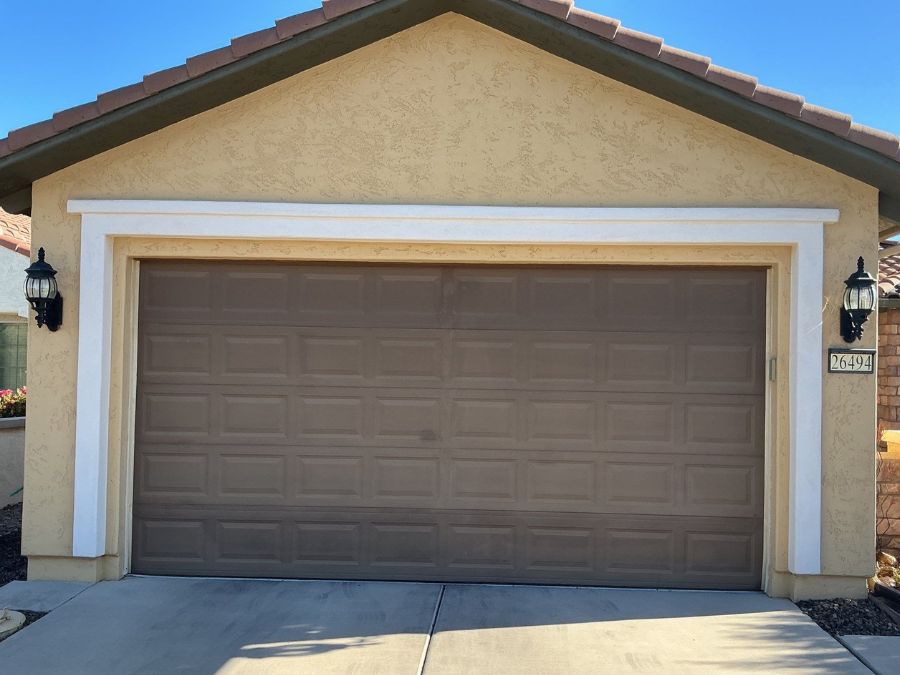
How Does Buckeye’s Summer Heat Affect Garage Door Springs, Rollers, and Openers?
Quick Answer:
Buckeye’s intense summer heat can take a serious toll on your garage door system. While garage doors are built to withstand daily use, weeks of temperatures above 110°F—and garages that often reach 130°F or more—create conditions that accelerate wear on springs, rollers, openers, and other moving parts. Heat breaks down lubricants more quickly, causes metal and plastic components to expand, and forces the opener to work harder every time the door moves. Most heat-related problems develop gradually, which is why unusual noises, slower movement, or inconsistent operation shouldn’t be ignored. Routine maintenance and seasonal inspections are the best ways to catch these issues before they lead to an unexpected breakdown.
Why Buckeye’s Climate Is Hard on Garage Doors
Living in Buckeye means preparing your home for one of the hottest climates in the country. Air conditioning systems work overtime, roofing materials expand under the afternoon sun, and vehicles parked outside quickly become ovens. Your garage door experiences many of those same conditions, yet it’s often one of the last parts of the home homeowners think about until something stops working.
The challenge isn’t just the outside temperature. Once the garage door closes, heat becomes trapped inside the space. Even on days when the outdoor temperature hovers around 110°F, an uninsulated garage can climb well beyond 130°F during the afternoon. That means every component—from the torsion springs above the door to the opener mounted on the ceiling—is operating in an environment that’s significantly hotter than the weather forecast suggests.
According to LiftMaster, garage door openers are designed to operate within specified temperature ranges, but prolonged exposure to excessive heat increases stress on motors and electronic components over time. While quality equipment is built for demanding conditions, Arizona’s long summers create an environment where wear naturally occurs faster than it might in cooler parts of the country.
The important thing to understand is that these problems rarely appear overnight. Instead, the garage door slowly becomes noisier, less responsive, or less consistent over weeks and months. Those small changes are often the first indication that the summer heat is beginning to affect the system.
Springs Work Harder During Arizona Summers
Garage door springs are responsible for balancing the full weight of the door every time it opens or closes. Although the opener receives most of the attention, the springs are doing the majority of the heavy lifting behind the scenes.
Contrary to what many homeowners assume, Buckeye’s summer heat doesn’t immediately weaken the steel itself. The bigger concern is how high temperatures affect the spring’s operating conditions. As the garage heats up, lubricants begin thinning much faster than they would during cooler months. Once that protective layer starts disappearing, the coils generate more friction as they wind and unwind throughout the day.
Heat also causes steel to expand slightly. The change is almost imperceptible, but garage door springs operate under carefully balanced tension. Even small variations can alter how the door feels during operation, placing additional demand on the entire lifting system. Homeowners may notice that the door doesn’t seem quite as smooth as it once was or that it sounds different when opening.
Those changes don’t necessarily mean a spring is about to break. They do suggest the system is working harder than normal, and over thousands of opening cycles, that additional workload gradually reduces the spring’s overall service life.
Desert Dust Makes Roller Problems Worse
While springs tend to receive the most attention, rollers are often the first components to show visible signs of Arizona’s climate.
Every time the garage door moves, the rollers travel through the tracks while supporting hundreds of pounds of weight. Under ideal conditions, that movement is smooth and quiet. In Buckeye, however, fine desert dust is constantly finding its way into the moving parts of the system.
As that dust mixes with aging lubricant inside the roller bearings, it gradually forms an abrasive paste rather than the smooth protective coating those bearings were designed to have. Instead of rolling freely, the bearings begin creating additional resistance with every trip up and down the tracks.
Heat adds another challenge. Lower-quality nylon rollers can become less stable after years of repeated exposure to extreme temperatures, while steel rollers may begin developing additional wear if lubrication isn’t maintained. Rather than moving effortlessly, the rollers start producing subtle vibrations that many homeowners first hear as squeaks, grinding noises, or a slight shaking of the door during operation.
Replacing worn rollers early is often one of the simplest ways to restore quiet operation while preventing unnecessary strain on the rest of the garage door system.
The Garage Door Opener Often Shows the First Symptoms
One of the more surprising things technicians see during Buckeye summers is that homeowners frequently believe the opener is failing when the real problem is somewhere else in the system.
The opener is designed to guide the garage door—not lift its entire weight by itself. When springs begin losing efficiency or rollers create additional resistance, the opener automatically compensates by working harder. Most homeowners don’t notice this extra effort because it happens gradually over time.
Eventually, especially during the hottest weeks of summer, that added workload can cause the opener to overheat. Modern garage door openers include thermal overload protection that temporarily shuts the motor down if it reaches an unsafe operating temperature. Although this safety feature helps prevent permanent damage, repeated overheating usually indicates that another part of the system needs attention.
In many cases, allowing the opener to cool restores normal operation temporarily. However, if the underlying cause isn’t corrected, the motor continues experiencing unnecessary stress every time the garage door is used.
Heat Doesn’t Just Affect the Motor
Inside every garage door opener are components that rely on precision just as much as the motor itself. Drive gears, electronic controls, sensors, and circuit boards all operate together to ensure the door opens and closes safely.
Arizona’s heat places each of those components under continuous thermal stress. Plastic drive gears, which are intentionally designed to protect more expensive internal parts, become more vulnerable when they’re exposed to prolonged high temperatures while also lifting a door that’s becoming increasingly difficult to move.
Electronic components face their own challenges. Years of heating and cooling cycles cause tiny expansions and contractions inside circuit boards and electrical connections. Most of the time these changes happen slowly, but they can eventually contribute to intermittent issues such as inconsistent remote performance, unexpected door reversals, or safety sensors that appear to work one day and malfunction the next.
When homeowners begin experiencing occasional electrical quirks during the summer, the opener itself isn’t always defective. Sometimes the extreme operating environment is simply exposing components that have gradually reached the end of their normal lifespan.
An Insulated Garage Door Helps, but It Isn’t the Entire Answer
Many Buckeye homeowners choose insulated garage doors to make their garages more comfortable during the summer, and for good reason. Insulation helps slow the transfer of radiant heat through the door, which can make a noticeable difference in attached garages and reduce the workload on a home’s cooling system.
Even so, insulation shouldn’t be viewed as a complete solution.
A garage accumulates heat from several sources throughout the day. Sunlight warms the roof, walls, and concrete floor, while vehicles parked after a long commute continue releasing engine heat for hours. Without adequate ventilation, that heat remains trapped inside the garage long after outdoor temperatures begin falling.
As a result, springs, rollers, cables, and the opener may continue operating in temperatures well above the evening air outside. Insulation helps reduce heat gain, but regular maintenance remains the best defense against the gradual wear caused by Buckeye’s climate.
Small Maintenance Problems Become Bigger Summer Repairs
One of the advantages of garage doors is that they rarely fail without giving some warning.
Unfortunately, those warning signs are often subtle enough that they’re easy to ignore.
Perhaps the garage door becomes a little louder each week. Maybe it hesitates briefly before opening, or it doesn’t feel quite as smooth as it did last year. Some homeowners notice the opener working harder during the afternoon but assume it’s simply because it’s hot outside.
In many cases, they’re partly right.
The heat isn’t necessarily causing the failure by itself, but it is exposing weaknesses that were already beginning to develop. Components that might continue operating for months in a milder climate often reach their limits much sooner after spending an Arizona summer inside a superheated garage.
Addressing those early symptoms usually involves straightforward maintenance rather than major repairs. Replacing worn rollers, lubricating moving parts with products designed for high temperatures, or adjusting spring tension before excessive strain develops can often prevent much more expensive failures later.s to protect the entire garage door system from Arizona’s extreme climate.
Why Preventive Maintenance Matters in Buckeye
Arizona’s climate is tough on every moving part of a garage door system. Months of triple-digit temperatures, intense UV exposure, and fine desert dust create conditions that accelerate wear on springs, rollers, bearings, cables, and openers. While quality garage door systems are designed to handle daily use, they simply work harder in Buckeye than they do in many other parts of the country.
Fortunately, garage doors rarely fail without warning. Most systems begin showing subtle changes first, such as louder operation, slower movement, increased vibration, or an opener that seems to work harder than it used to. These changes may not seem urgent, but they’re often early indicators that a component is beginning to wear and is placing additional strain on the rest of the system.
A professional maintenance inspection is about more than lubricating moving parts. It provides an opportunity to evaluate the overall condition of the door, confirm that springs remain properly balanced, inspect rollers and bearings for excessive wear, verify opener performance, and identify developing problems before they become emergency repairs. Addressing a worn roller or weakened spring early is often far less expensive than replacing multiple damaged components after a failure.
For homeowners throughout Buckeye, Verrado, Sundance, Tartesso, and the surrounding West Valley, routine preventive maintenance is one of the most effective ways to improve reliability, reduce unexpected repairs, and extend the life of the entire garage door system.
Frequently Asked Questions
Is it normal for a garage door to sound louder during the summer?
Not necessarily. While some expansion of metal components is expected during extreme heat, increasing noise often indicates that rollers, hinges, or springs need lubrication or inspection. If the door continues becoming louder over time, it’s worth having the system evaluated before additional wear develops.
Why does my garage door opener stop working during the hottest part of the day?
Many newer openers include built-in thermal protection that temporarily shuts the motor down if it overheats. If the opener works again after cooling off, the motor may be protecting itself. Repeated shutdowns, however, often suggest another part of the garage door system is placing excessive strain on the opener.
Does Arizona’s desert dust really affect garage doors?
Yes. Fine dust works its way into rollers, bearings, hinges, and other moving parts where it combines with lubricant. Over time, this increases friction and accelerates wear, especially if regular maintenance has been delayed.
Will an insulated garage door eliminate heat-related problems?
Insulation can reduce radiant heat entering the garage and improve overall comfort, but it doesn’t prevent heat from building up inside the space. Vehicles, stored items, and limited ventilation can all contribute to high garage temperatures even after the sun goes down.
How often should garage doors be serviced in Buckeye?
Most manufacturers recommend periodic inspections, but homes in Arizona’s desert climate often benefit from annual maintenance because prolonged heat and dust increase wear on moving components. Doors that receive frequent daily use may benefit from more frequent inspections.
What’s the biggest warning sign that my garage door needs attention?
Changes in how the door operates are usually the first clue. New noises, slower movement, increased vibration, uneven travel, or an opener that seems to struggle more than usual are all signs that the system should be inspected before a minor issue develops into a major repair.
A Local Perspective for Buckeye Homeowners
Living in Buckeye means your garage door operates in one of the hottest residential environments in the country. Day after day, springs, rollers, openers, and other moving parts are exposed to temperatures that place far greater demands on the system than homeowners in milder climates typically experience.
The good news is that heat-related garage door problems usually develop gradually rather than appearing without warning. A garage door that becomes louder, moves less smoothly, or starts behaving differently is often giving you the opportunity to address a relatively minor issue before it develops into a much larger repair.
At Gecko Garage Doors, we’ve helped homeowners throughout Buckeye and the West Valley maintain reliable garage door systems since 1994. Whether you need a seasonal tune-up, Garage Door Repair, or routine Preventive Maintenance, our experienced technicians can inspect your system, identify heat-related wear, and recommend the right solution before a small problem turns into an inconvenient breakdown.
If your garage door has become noisier, slower, or less reliable during Arizona’s summer heat, don’t wait until it stops working altogether. Call or text (623) 546-8868 / (602) 892-9700 or schedule an appointment at https://geckogarage.com/contact/. If you’re located in the area, you can also learn more about our Buckeye Garage Door Repair services and how regular maintenance helps keep garage doors operating safely through Arizona’s hottest months.