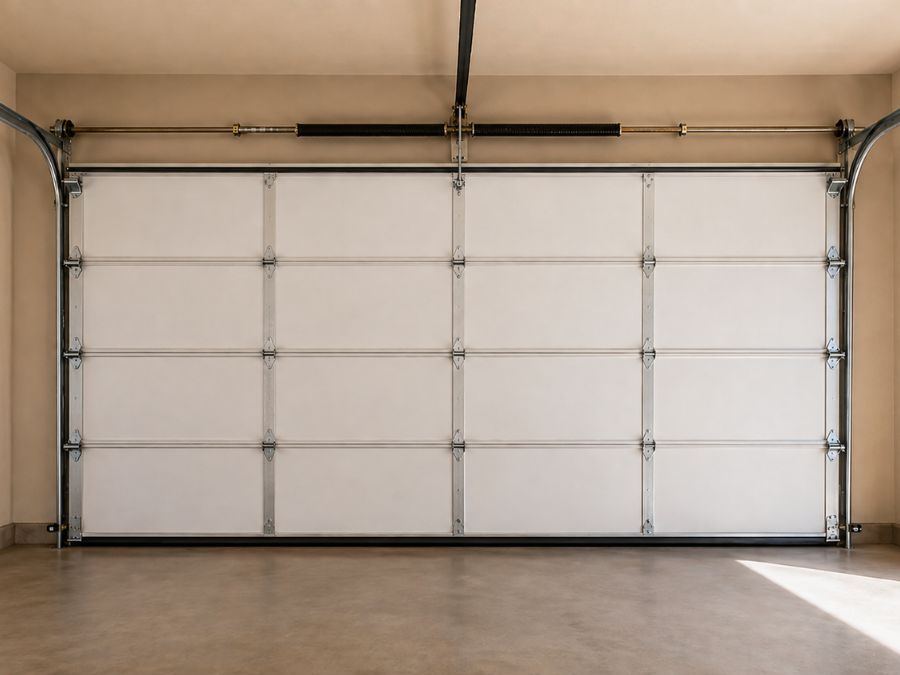
Is an Insulated Garage Door Worth It in Gilbert Arizona?
Quick Answer:
Yes, an insulated garage door is worth it in Gilbert, Arizona, especially for thermal stability, quieter operation, and comfort in attached garages. While it will not make your garage cold, a polyurethane-injected door can noticeably reduce heat transfer compared with a hollow builder-grade steel door. This is especially important for west-facing homes in Power Ranch, Seville, Spectrum, and other Gilbert neighborhoods, where an uninsulated garage door can absorb afternoon heat and radiate it directly into shared walls near laundry rooms, pantries, hallways, and living spaces.
Why This Question Matters in Gilbert
In Gilbert, the garage is often one of the hardest-working spaces in the house. Families use it as the main entrance, bike storage zone, sports equipment area, tool space, golf cart area, home gym, or overflow storage room. In neighborhoods like Power Ranch, Morrison Ranch, Agritopia, Seville, Spectrum, and Cooley Station, the garage often supports a busy lifestyle that goes far beyond parking cars.
That makes heat a daily problem. During summer, an uninsulated garage door can absorb intense sun and radiate heat into the garage for hours. If the garage is attached to the home, that heat can affect adjacent rooms, laundry areas, hallways, pantries, and bonus spaces above or beside the garage.
An insulated garage door is not a magic fix for Arizona summer heat, but it can make the garage less punishing. It also changes how the door feels, sounds, and holds up over time. For many Gilbert homeowners, the value is not just energy savings. It is comfort, usability, noise control, and long-term durability.
What an Insulated Garage Door Actually Does
An insulated garage door slows heat transfer between the outside and inside of the garage. In Gilbert, that matters most during long summer afternoons when the sun is hitting the door directly. A non insulated steel door can heat up quickly and radiate that heat inward. An insulated door adds a thermal barrier between the exterior skin and the garage interior.
Most insulated garage doors use either polystyrene or polyurethane insulation. Polystyrene is usually a rigid foam panel inserted into the door sections. Polyurethane is injected into the door, expands inside the panel, and creates a denser, more bonded structure. Both can help, but polyurethane insulated doors usually offer better rigidity, higher insulation performance, and a more solid feel.
The result is a garage door that transfers less heat, operates more quietly, and often feels sturdier than a basic builder grade door. That can be especially helpful on larger openings, three car layouts, and wide double doors common in newer Gilbert communities.
The West Facing Garage Factor
If your garage faces west in Gilbert, insulation becomes much more valuable. West-facing doors take the hardest afternoon sun, especially from late spring through early fall. By the time the sun is low enough to hit the door directly, the driveway, stucco, roofline, and garage door may already be radiating heat.
This can make the garage feel like an oven well into the evening. The heat does not disappear as soon as the sun goes down. It lingers in the door, concrete slab, stored items, and ceiling space. That is why many homeowners notice the garage is still uncomfortable at night even after outdoor temperatures begin to drop.
An insulated door helps reduce that heat transfer. It will not overcome poor attic ventilation, uninsulated walls, or a hot vehicle parked inside, but it can reduce the direct heat load coming through the garage door itself. For west-facing homes in Power Ranch, Spectrum, Seville, and newer areas south and east of Germann Road, that improvement can be noticeable.
The Thermal Bowing Effect
In Gilbert’s summer heat, garage doors do not just get hot. They can physically move. Dark colored steel doors are especially prone to thermal bowing, sometimes called smiling, where the exterior face of the door heats up faster than the interior side. As the outside metal expands, the panel can bow outward or inward instead of staying flat.
This matters because a bowed door does not move through the tracks the way it was designed to. Even slight panel distortion can put stress on rollers, hinges, tracks, and opener force settings. In severe cases, the door may rub, bind, chatter, or look like it is flexing across the opening during the hottest part of the day.
A triple-layer insulated door helps reduce this problem because the insulated core adds structure to the panel. Polyurethane-injected doors are especially helpful because the foam bonds to the steel skins and creates a more rigid section. That structural core helps the door stay flatter during extreme afternoon heat, which protects the roller path and reduces stress on the operating system.
R Value Matters, But It Is Not the Whole Story
When comparing insulated garage doors, homeowners often focus on R value. R value measures resistance to heat flow. A higher R value generally means better insulation performance. In Gilbert, looking at R value makes sense, but it should not be the only factor.
Door construction matters too. A well-built triple-layer steel door with insulation bonded inside the panel will usually perform better and feel more durable than a lighter door with a basic insulation insert. The thermal performance is important, but so is how the door handles daily use, heat expansion, vibration, and wind.
For many Gilbert homes, a polyurethane-insulated steel door with a strong R value is the better long-term choice. It provides better structure, quieter operation, and better resistance to panel flex. This is especially useful for families who use the garage constantly or store valuable items inside.
The Shared Wall Problem in Gilbert Homes
If your garage is attached to the house, an insulated door usually makes more sense. Heat that builds up in the garage can influence the spaces around it. That may include a bedroom wall, laundry room, hallway, pantry, bonus room, or kitchen area, depending on the layout.
Many Gilbert floor plans place the laundry room, mudroom, pantry, or kitchen transition directly off the garage. In communities like Power Ranch, Cooley Station, Agritopia, and Morrison Ranch, that layout is common because the garage functions as the family entry point. When the garage door is uninsulated, the garage can act like a heat chamber attached to those shared walls.
An insulated garage door helps reduce the heat load at the largest opening in the garage. It will not replace proper wall insulation or attic ventilation, but it can make the shared wall area feel less punishing and reduce the amount of radiant heat pushing toward the home’s interior. For homeowners trying to improve comfort near the laundry room, pantry, or garage entry, insulation is often worth considering.
It Can Make the Garage More Usable
One of the biggest benefits of an insulated garage door in Gilbert is comfort. Many homeowners want to use the garage for more than parking, but summer heat makes that difficult. If the garage holds bikes, tools, sports equipment, fitness gear, camping supplies, or off-road gear, reducing heat buildup can make the space easier to live with.
This is especially relevant in Gilbert family neighborhoods. Homes in Power Ranch, Morrison Ranch, Agritopia, and Finley Farms often have active households with bikes, scooters, helmets, soccer gear, strollers, and storage systems in the garage. A cooler, quieter garage makes those daily routines more comfortable.
Insulation is also helpful if you use the garage as a workshop, hobby area, gym, or golf cart storage space. It will not replace air conditioning, but it can reduce the extreme temperature swings that make the garage unpleasant during peak summer.
It Helps Protect Stored Items
Garages in Gilbert often store more than cars. Many homeowners keep tools, paint, holiday decorations, sports gear, electronics, small appliances, batteries, cleaning supplies, and outdoor equipment in the garage. Extreme heat can shorten the life of some of those items.
An insulated door can help reduce the intensity of temperature swings inside the garage. That does not mean the garage becomes climate-controlled, but it can help create a less extreme environment. This is especially useful for items that do not handle prolonged heat well.
For homeowners with high-end bikes, golf equipment, UTV accessories, garage refrigerators, or battery-powered tools, reducing heat stress can be valuable. The hotter the garage gets, the harder certain equipment has to work, and the faster some materials can age.
Insulated Doors Create a Quieter Home
Noise reduction is one of the most underrated reasons Gilbert homeowners choose insulated garage doors. A non-insulated steel door behaves like a hollow drum. It rattles more in the wind, vibrates more during operation, and tends to sound louder when the opener starts and stops.
Insulation acts as a sound dampener. A triple-layer door feels more solid because the panel is not just a thin steel shell. When paired with good rollers, balanced springs, and a properly adjusted opener, an insulated door can make the entire system sound smoother and less disruptive.
This matters in attached garages, especially when bedrooms, offices, nurseries, or living spaces are near or above the garage. In a busy family home where the garage door cycles early in the morning, after school, and late at night, quieter operation can be just as valuable as heat reduction.
Insulation Adds Strength and Stability
Insulated doors are usually stronger than basic hollow steel doors. The added structure helps reduce panel flex, denting, vibration, and bowing. In Gilbert, that matters because heat can be hard on metal doors.
Dark colored doors exposed to extreme summer sun can experience thermal movement, while lighter builder grade doors may still rattle or flex across wide openings. A better-built insulated door gives the panels more rigidity, which helps the door operate more consistently over time.
This is especially important on wide double doors and larger garage openings. A flimsy door may still operate, but it can flex, rattle, and wear hardware faster over time. A stronger insulated door can improve both appearance and performance.
When an Insulated Door May Not Be Worth It
An insulated garage door is valuable for many Gilbert homes, but it is not always necessary. If your garage is detached, shaded, rarely used, and only stores items that are not heat sensitive, the upgrade may be less urgent. The same may be true if you plan to sell the home very soon and the existing door is already in good shape.
Insulation also has limits. If the garage has uninsulated walls, poor attic ventilation, large air gaps, or direct sun on multiple surfaces, the door alone will not solve every heat problem. It should be viewed as part of a larger comfort strategy, not a complete climate control system.
There is also the cost difference to consider. Insulated doors usually cost more than basic doors. For many homeowners, the added comfort, quieter operation, stronger construction, and better appearance justify the cost. But the right decision depends on how the garage is used.
Polystyrene vs Polyurethane Insulation
Polystyrene insulated doors are often more affordable and still provide a meaningful improvement over a non-insulated door. They use rigid foam panels placed inside the door sections. This can help with heat transfer and make the door less hollow.
Polyurethane-insulated doors are generally the stronger premium option. The insulation is injected into the door and expands to fill the panel, bonding to the steel skins. This creates a denser, more rigid door with better insulation performance and a quieter feel.
For Gilbert homes with west-facing garages, attached garages, high daily use, or larger openings, polyurethane is often worth considering. It is especially useful if the homeowner wants the door to feel solid, operate quietly, resist thermal bowing, and provide better long-term performance in the heat.
Door Color and Finish Still Matter
Insulation helps, but color still matters in Gilbert. Dark garage doors absorb more heat than lighter ones. A dark door may look beautiful, especially on modern farmhouse or Mediterranean style homes, but it can increase surface temperatures during summer afternoons.
Lighter desert tones, warm neutrals, soft wood finishes, and HOA-friendly earth colors often perform better in intense sun. They can still look upgraded while reducing heat absorption and visible fading. In neighborhoods like Morrison Ranch, Agritopia, and Seville, the right finish can balance curb appeal with climate practicality.
Faux wood steel is a popular option because it offers warmth and character without the upkeep of real wood. For homes with carriage house styling or modern farmhouse details, it can be a strong choice when paired with insulation and proper hardware.
The Door System Must Be Matched Correctly
An insulated garage door can be heavier than the existing door, depending on the style and construction. That means the spring system, opener, tracks, hinges, and rollers need to be properly matched. Installing a heavier door without adjusting the system can create new problems.
The torsion springs should be sized for the door weight. The opener should guide a balanced door, not lift a door that is too heavy for the spring system. Rollers and hinges should be appropriate for the door size and daily use.
This is especially important in Gilbert homes with three-car tandem garages, wide double doors, or high-cycle family use. A great insulated door will only perform well if the mechanical system is set up correctly.
Gilbert Neighborhoods Where Insulation Makes the Most Sense
Insulated doors are especially useful in newer and larger Gilbert homes where garages are attached, heavily used, or exposed to direct sun. Power Ranch, Seville, Spectrum, Cooley Station, and areas south of Germann Road often have larger garage setups and busy family use patterns.
Morrison Ranch and Agritopia homeowners may also benefit, especially when choosing carriage house or faux wood insulated doors that match the neighborhood aesthetic. In these areas, the garage door is a major part of the home’s front elevation, so appearance and performance both matter.
Older homes near the Heritage District, Gilbert Road, Guadalupe, and Elliot may benefit in a different way. Replacing a thin older steel door with an insulated model can improve comfort, reduce noise, reduce panel flex, and update curb appeal at the same time.
FAQs
Is an insulated garage door worth it in Gilbert, Arizona?
Yes, for many homes it is worth it. Gilbert heat, west-facing garages, attached garage layouts, and heavy family use all make insulation more valuable. The biggest benefits are reduced heat transfer, quieter operation, stronger door construction, and better garage usability.
Will an insulated garage door keep my garage cool?
It will not make the garage cool like an air-conditioned room, but it can reduce heat transfer through the door. The improvement depends on sun exposure, wall insulation, attic ventilation, air leaks, and how the garage is used.
What R value should I choose for a garage door in Gilbert?
A higher R value generally provides better insulation, but construction quality matters too. For many Gilbert homes, a well-built insulated steel door with polyurethane insulation and a strong R value is a good option because it provides thermal performance, rigidity, and quieter operation.
Is polyurethane insulation better than polystyrene?
Polyurethane is usually the premium option. It is injected into the door, bonds to the steel, and creates a stronger, denser panel. Polystyrene is more affordable and still better than no insulation, but it usually does not provide the same rigidity or performance.
Does an insulated garage door help with thermal bowing?
Yes, a quality insulated door can help reduce thermal bowing because the panel has more structure. Polyurethane injected doors are especially helpful because the insulation bonds to the steel and helps the panel resist heat related distortion.
Does an insulated garage door help with noise?
Yes. Insulated doors usually rattle less and feel more solid than thin non-insulated doors. When paired with good rollers, balanced springs, and a properly adjusted opener, they can make the garage door system much quieter.
Can insulation help protect items stored in the garage?
Yes, it can help reduce extreme temperature swings. It will not make the garage climate-controlled, but it can create a less harsh environment for tools, sports gear, bikes, batteries, paints, and other stored items.
Is an insulated garage door heavier?
Often, yes. That is why the springs and opener need to be matched correctly. A properly installed, insulated door should feel balanced and should not strain the opener.
Should I insulate my existing garage door or replace it?
Adding insulation to an existing door may help a little, but it can add weight and affect balance. In many cases, replacing the door with a purpose built insulated model is the better long term solution.
What This Means for Gilbert Homeowners
For many Gilbert homes, an insulated garage door is worth it because the garage is used constantly and exposed to serious summer heat. It can make the space more comfortable, reduce noise, improve door strength, help resist thermal bowing, support curb appeal, and protect stored items from harsh temperature swings.
The best results come from choosing the right door for the home’s exposure, architecture, garage use, and mechanical system. If you are starting to explore your options, a professional inspection can help compare insulation types, R values, door styles, spring requirements, opener compatibility, and the best setup for your specific Gilbert home.