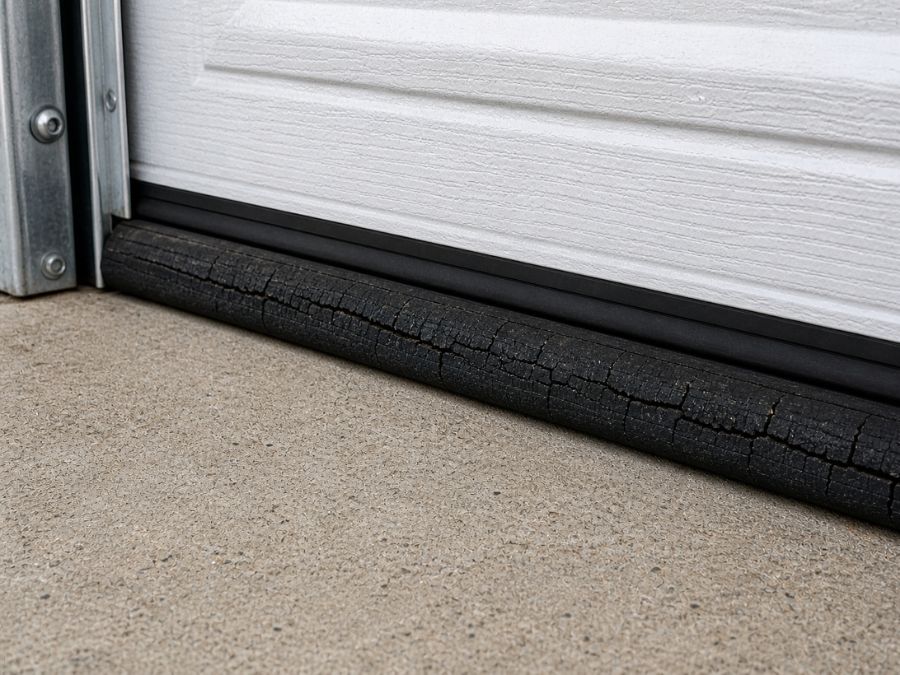
How Do I Fix UV-Cracked Garage Door Weatherstripping In Chandler, AZ?
To fix UV-cracked garage door weatherstripping in Chandler, you’ll need to remove the damaged seal and replace it with a UV-resistant material designed for extreme heat. Arizona sun quickly breaks down standard rubber and vinyl, so repair usually means full replacement rather than patching. A properly installed new seal restores protection against heat, dust, water, and pests.
Why Weatherstripping Fails So Fast in Chandler
Chandler’s climate is one of the toughest environments for garage door seals. Constant UV exposure dries out rubber and vinyl, causing them to crack, shrink, and lose flexibility. Once that happens, the seal can no longer press tightly against the door or frame.
This damage usually shows up first on west- or south-facing garages. These doors take the brunt of the afternoon sun, which accelerates deterioration. Over time, even high-quality materials will break down without maintenance.
In this climate, weatherstripping isn’t a one-time install. It’s something that needs periodic replacement to keep working properly.
What Happens If You Ignore Cracked Seals
When weatherstripping fails, gaps form around the garage door. That allows hot air, dust, and debris to enter the space. In Chandler, that heat can build up quickly and affect both comfort and storage conditions.
It also impacts energy efficiency. Air from your home can escape into the garage while hot air moves inside, increasing cooling costs. Worn seals can even allow pests to enter through small openings.
During monsoon season, those gaps can let in water and dirt. Even minor cracks can lead to noticeable problems during storms.
How to Identify What Needs Replacement
Start by inspecting the bottom seal, which is the most common failure point. Look for cracks, flattening, or sections that feel brittle instead of flexible. If the material doesn’t bounce back when pressed, it’s no longer effective.
Next, check the sides and top of the door. These seals often pull away from the frame or curl over time. You can also do a simple light test by closing the door and looking for sunlight around the edges.
If you see light or feel airflow, the seal is no longer doing its job. At that point, replacement is the best option.
Choosing the Right Replacement Material
Not all weatherstripping is built for Arizona conditions. Standard vinyl can break down quickly under extreme heat. That’s why choosing a UV-resistant material is important.
EPDM rubber is one of the best options for durability. It handles high temperatures and maintains flexibility longer than cheaper alternatives.
Vinyl can still work for side and top seals if it’s high quality. The key is selecting materials designed to handle both heat and UV exposure.
How to Replace the Bottom Seal
Start by opening the garage door and securing it in place. Remove the old seal by sliding it out of the track or cutting it if it’s stuck. Once removed, clean the track thoroughly to remove dirt and debris.
Measure the width of the door and cut the new seal slightly longer than needed. Slide it into the track evenly, then trim the ends for a clean fit. Close the door to ensure it compresses properly against the ground.
This process usually takes less than an hour. It’s one of the easiest garage door repairs you can do yourself.
How to Replace Side and Top Weatherstripping
Side and top seals are typically attached to the frame with nails or screws. Remove the old material carefully, making sure not to damage the trim. Clean the surface before installing the new seal.
Position the new weatherstripping so it lightly presses against the door when closed. It should create a seal without bending or folding excessively. Secure it evenly along the frame to maintain consistent pressure.
After installation, close the door and check for gaps. Adjust as needed to ensure a tight fit.
Why Proper Installation Makes a Big Difference
Even high-quality weatherstripping won’t work if it’s installed incorrectly. Gaps, uneven pressure, or misalignment can reduce its effectiveness right away. That’s why attention to detail matters during installation.
A properly installed seal should block light, air, and debris completely. If you can see daylight around the edges, the seal needs adjustment.
Taking a few extra minutes to get it right improves both performance and lifespan. It’s a small step that makes a noticeable difference.
When It’s Better to Replace Everything
If one section of weatherstripping is cracked, the rest may not be far behind. In Chandler, all seals are exposed to the same UV and heat conditions. Replacing everything at once can save time and prevent repeat repairs.
This also ensures a consistent seal around the entire door. Mixing old and new materials often leads to uneven performance. A full replacement gives you a clean, reliable setup.
For most homeowners, this is the most efficient long-term approach. It reduces maintenance and improves overall protection.
How Often You’ll Need to Replace It
In Arizona, weatherstripping wears out faster than in most regions. Lower-quality materials may only last 2 to 3 years under intense sun exposure. Higher-quality rubber seals can last closer to 5 to 7 years with proper care.
Regular inspection helps you catch early signs of wear. Checking once or twice a year is usually enough. This keeps small issues from turning into bigger problems.
Staying ahead of replacement is easier than dealing with damage later. It’s a simple maintenance habit that pays off over time.
What This Means for Your Garage in Chandler
UV damage is unavoidable in this climate, but it’s manageable. The key is using the right materials and replacing seals before they completely fail. That keeps your garage protected from heat, dust, and seasonal storms.
Weatherstripping may seem like a small detail, but it plays a big role in overall performance. A properly sealed garage stays cleaner, more efficient, and easier to maintain. It also protects everything stored inside.
If your seals are already cracked or brittle, it’s a good time to address it. Fixing it now prevents bigger issues down the road.